Gardening column
A Beginner's Guide to Growing Winter Greens in Small Beds
What to sow, when to water, and how to keep slugs away without fuss
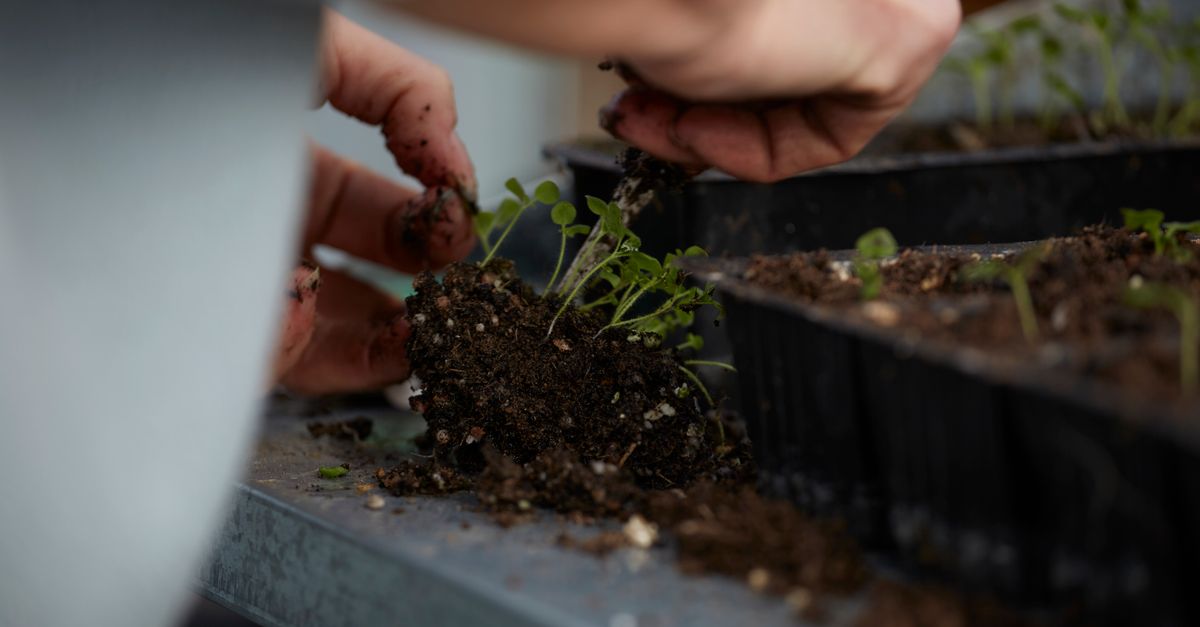
Cooler months in Gauteng are kinder to leafy crops than most people expect. Spinach, kale, rocket and a few hardy lettuces will all hold through a mild winter, but the calendar matters more than the seed packet. Sow too early and the last warm spell pushes plants into quick, bitter growth. Sow too late and the seedlings sit still for weeks, waiting for light that never quite arrives.
Start with the bed itself. A narrow strip, a couple of deep pots or a shared plot all work, provided the soil drains. Fork through the top layer and work in two or three handfuls of compost per square metre. Fresh manure is a mistake at this stage; it burns young roots and attracts flies. If the bed sat empty over summer, water it thoroughly a day before sowing so the compost settles rather than floating away.
Spacing, depth and the two mistakes that cost the most
Sow shallow. A seed buried deeper than twice its own width will struggle to reach the surface, and this is the single most common reason a row comes up patchy. Thin the seedlings once they show two true leaves, leaving roughly a hand's width between plants. It feels wasteful to pull healthy seedlings, but crowded greens stay small, hold moisture against each other and invite mildew.
Watering is where the dry Highveld climate changes the usual advice. Morning watering gives leaves time to dry before evening, which keeps fungal problems down. Evening watering loses less to evaporation and suits a bed that faces full sun all day. Watch the soil rather than the clock: a shaded bed against a wall stays damp far longer than an open one, and overwatering there does more harm than a missed day.
Slugs, ventilation and the first sign of mildew
Slugs are easiest to manage before they find the crop. A shallow dish of water set into the soil, cleared debris around the edges and a morning walk with a torch will do more than any single remedy. Beer traps are not worth the trouble in a small bed.
Readers with a small greenhouse or a covered patio should open vents on mild days even in midwinter. Still, humid air is what mildew needs, and the first warning is usually a pale, powdery patch on the underside of a lower leaf. Pick that leaf off immediately, improve airflow, and check the plants behind it. Left alone for a week, it spreads through a whole tray.