Walking clubs
Route notes, distances, pace and where the group stops for a rest. Useful for readers deciding whether a Saturday walk suits them, and for clubs that want newcomers to know what to expect.
A few examples of how clubs, societies and volunteer groups appear in Cape Senior Chronicle once their notes, photographs and notices reach the editorial desk in Johannesburg.
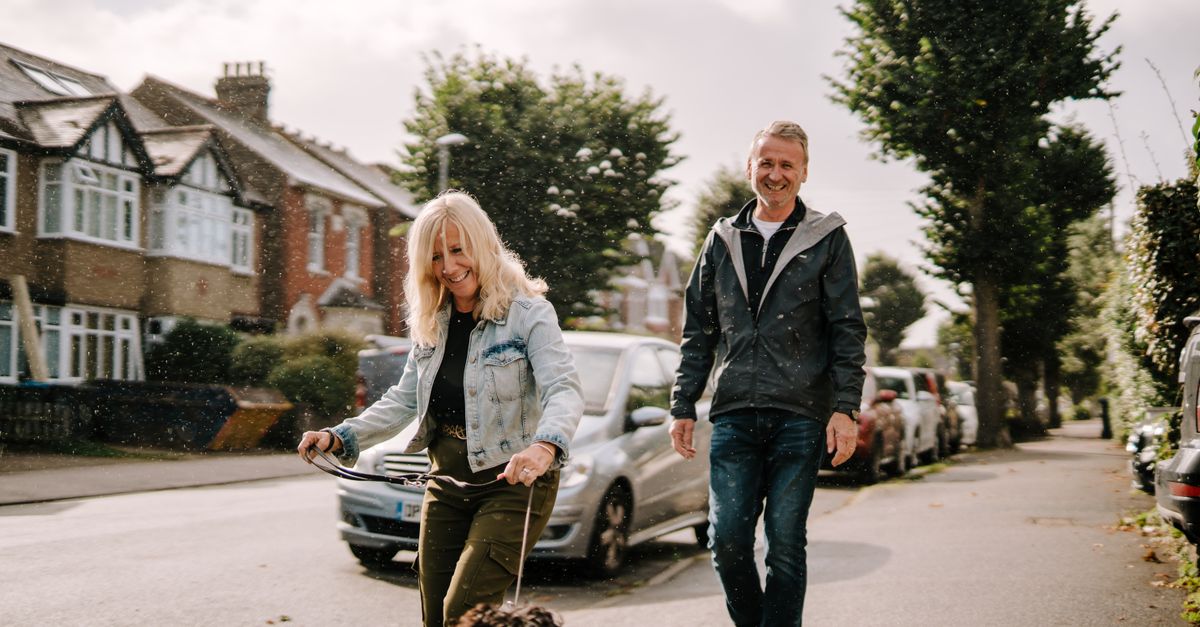
A Saturday walking club sends in a short report after each outing: distance, terrain, where the group rested, and which stretch needs care underfoot. The piece runs with one photograph of the group on the route.
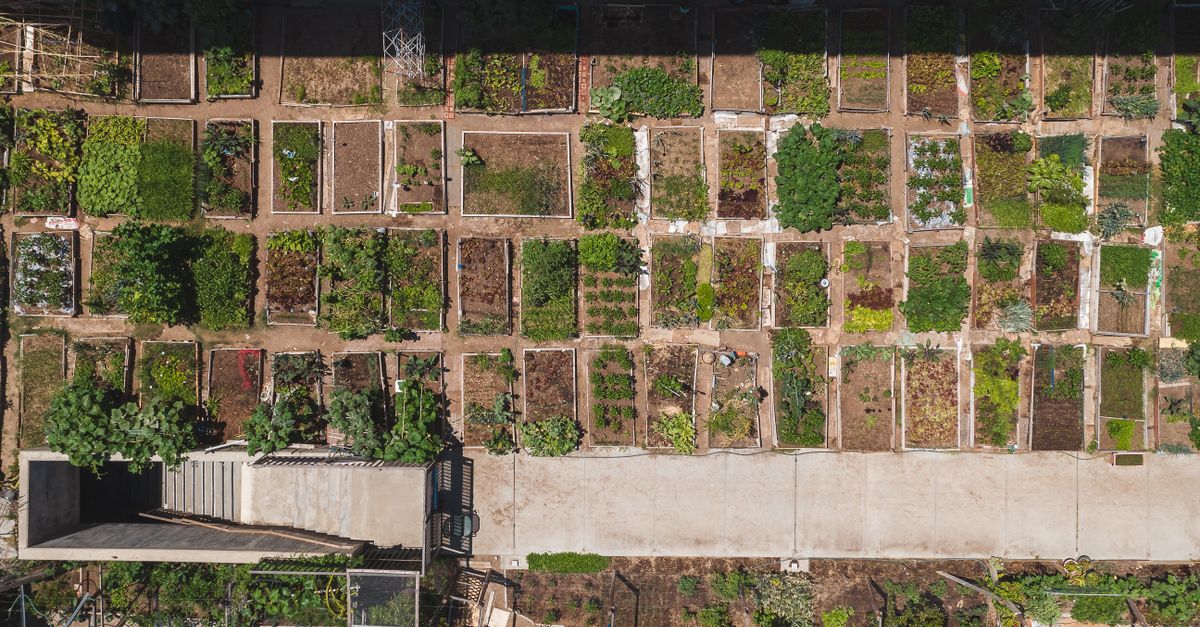
Societies write in about what is flowering, what failed, and what members are swapping at the next meeting. Notes stay plain: what was planted, when it was watered, and what the season did to it.

Book circles and local history circles send meeting notes and short pieces on what the group is reading or researching. Former teachers and amateur historians often pull these together before they reach us.
Group notices sit in the events diary beside listings for libraries, community halls and botanical gardens. Send the date, the venue and a line on what the gathering is for, and it is considered for the weekly pages.
There are no accounts, memberships or dashboards. Groups simply write to the editorial address in Johannesburg with their report, notes or photograph, and the material is read and considered for the weekly pages.
A few points come up often enough that they are worth setting down plainly, so clubs and societies know what to expect before they write in.
Cape Senior Chronicle does not run logins, memberships or member portals for organisations. Groups take part by writing to the editorial address in Johannesburg, and their material is considered for the weekly pages like any other submission.
Short reports and meeting notes work better than formal announcements. A paragraph on what the group actually did, plus a photograph of the gathering, is usually enough for the events diary or a neighbourhood page.
Not every submission can run in the same edition. Walking clubs, book circles, gardening societies and volunteer groups all send material, and the editors decide what fits the current issue. Nothing is guaranteed a place.
Submitted text is often trimmed for length or clarity, and photographs may be held until a suitable page opens up. Coordinators such as former teachers and amateur historians usually handle this back-and-forth on behalf of their group.
One more clarification: group notices appear in the events diary alongside listings for libraries, community halls and botanical gardens, but the paper does not organise, host or book those gatherings. It reports on them. Anything sent in should describe something that has happened or is already scheduled by the group itself.
Clubs, societies and volunteer teams send us short reports, meeting notes and a few photographs, and we shape them into the weekly pages. Nothing here runs on accounts or dashboards. You write to the editorial desk in Johannesburg, and the material is considered for print and for the free online digest.
Former teachers and amateur historians often coordinate these submissions, which is why the notes usually arrive tidy and dated. If your group keeps a written record of what it did last month, you are already most of the way there.
Not sure how a submission reads once it is edited? See a finished example in a reading-room column from a suburban library.
Route notes, distances, pace and where the group stops for a rest. Useful for readers deciding whether a Saturday walk suits them, and for clubs that want newcomers to know what to expect.
What the group read, what divided the room, and which titles are worth passing on. Short and specific beats a long summary, and a line about the discussion itself is usually the part readers remember.
Ongoing work, seasonal drives and the practical help a team still needs. Tell us the task, the area and when people gather, and we can place the notice where neighbours will actually see it.
Planting days, seed swaps and what survived the season in local beds. Photographs of a shared plot or a verge garden work well alongside a few honest notes on what failed.
Street names, old buildings and the traces still visible on a walk. Amateur historians in the group often have the dates and the photographs already sorted.
Group notices sit alongside entries for libraries, community halls and botanical gardens. Send the date, the venue and a one-line description, and it goes into the diary for that week.
Send group material to team@spainseniors.com or call +27 60 648 3029. The editorial desk is at The Firs, 32 Fricker Road, Illovo, Johannesburg, 2196, South Africa. Questions about how a piece is handled can go through the contact page.
This site uses cookies to keep pages working properly and to understand which stories readers spend time with. We do not sell personal data, and you can change your mind at any time by clearing your browser storage. More detail is available in our privacy policy.