Former teachers
They take the practical columns on digital basics, walking readers through everyday tasks in plain language and without assuming prior knowledge.
The paper is put together by people who came to writing after doing something else first. That is the whole idea behind it.
A weekly edition does not assemble itself. It starts with a contributor who noticed something worth describing, and ends at an editorial desk in Johannesburg where the pages are gathered, checked and set in order. Between those two points sit the columns readers turn to first.
They take the practical columns on digital basics, walking readers through everyday tasks in plain language and without assuming prior knowledge.
Their pieces cover home repairs and hobby equipment, often working through a small bench project or a fix for a chair that has started to wobble.
Local-history features about neighbourhoods, older buildings and community halls, written by people who have walked those streets for years.
Stories, letters and classifieds arrive from across the country and appear in the paper each week, alongside the regular columns.
The mix keeps the pages varied. One week it is a gardening note, a memory of a street, a repair tip and a letter about a walking club. Contributors are based in different parts of South Africa, and the editorial desk brings their work together into the weekly edition.
Cape Senior Chronicle is written by people who came to it after other working lives, and that shows on every page.
The paper is a weekly community newspaper for retired and semi-retired readers across South Africa. It is edited and gathered in Johannesburg, at The Firs, 32 Fricker Road, Illovo, and it reaches readers two ways: a print edition delivered each week, and a free online digest for those who prefer to read on a screen.
What holds the mix together is not a house style so much as a habit of attention. A column on pruning a tired shrub sits next to a memory of a street that changed name twice. A reader's letter about a walking club appears beside a short piece on replacing a tap washer. Nobody is asked to sound like a journalist, and most of the regulars would say plainly that they are not one.
The editorial desk keeps the pages even: neighbourhood news, gardening, local history, volunteer groups, walking clubs, book circles, home repairs and digital basics. Reader-submitted stories, letters, the classifieds for second-hand furniture and hobby equipment, and the events diary for libraries, community halls and botanical gardens all come in the same way, from people who live where the paper is read.
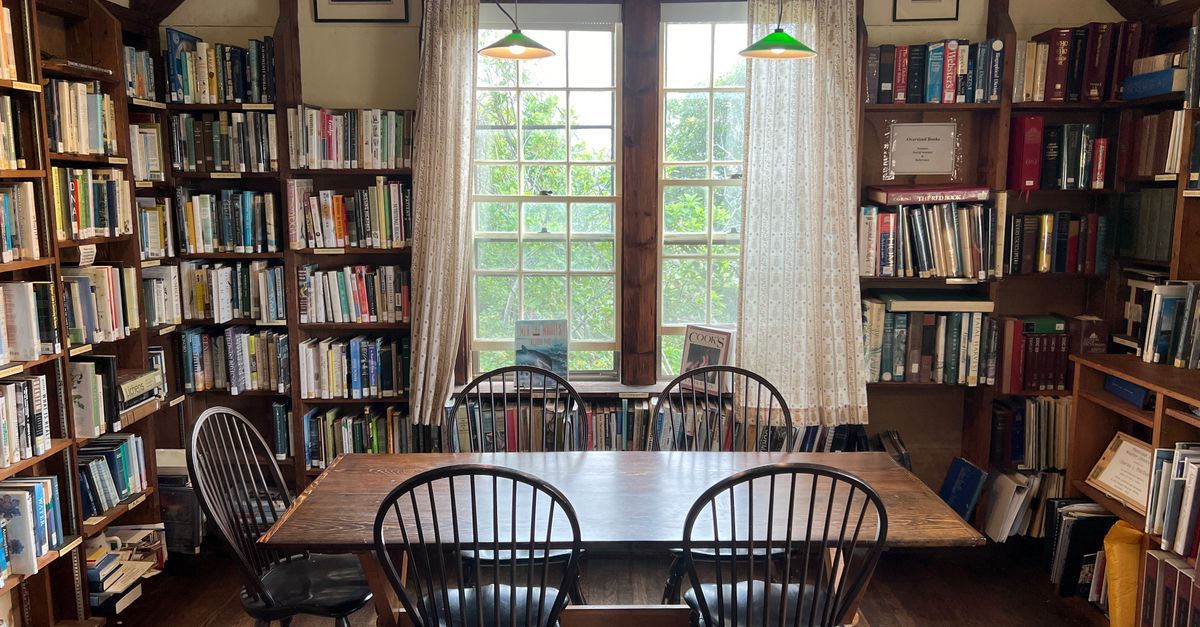
A weekly paper is a slow thing. It cannot chase a story the way a feed does, and it does not try to. What it can do is hold a place steady from one week to the next, so that a gardening note, a memory of a street and a repair tip all land on the same kitchen table.
Cape Senior Chronicle is written for retired and semi-retired readers across South Africa who still want to know what is happening on their own street. The editorial desk sits in Johannesburg, but the material comes from wherever readers and contributors happen to live. Nobody here is asked to perform enthusiasm. A column earns its space by being useful, specific and honest about its limits.
That shapes what we print. A home-repair piece says which tools are needed and where to stop before a small job becomes a large one. A digital-basics walkthrough assumes no prior knowledge and moves at the pace of someone reading it aloud. A local-history feature names the building, the corner and the year, and admits when the record is thin. We would rather leave a gap than fill it with something that sounds convincing.
Columns are written to be read once and understood, not skimmed twice. Jargon gets translated or dropped.
Letters, submitted stories and classifieds sit alongside the regular columns. The pages are not a one-way broadcast.
We describe what the paper contains and nothing beyond it. No results are claimed on anyone's behalf.
Neighbourhood news travels well when it is written with enough detail to be recognised elsewhere.
A weekly paper is only as varied as the people who write it. Cape Senior Chronicle draws on regular contributors who came to writing after other working lives, and on readers who send in their own stories, letters and listings.
The practical columns on digital basics come from people who spent years explaining things at the front of a room. They walk readers through everyday tasks in plain language, one step at a time, and assume no prior knowledge.
Home-repair and hobby-equipment pieces are written by contributors who keep a bench at home. A worn chair, a sticking drawer, a small project for the weekend: the work is described as it was actually done, including the parts that went slowly.
Local-history features trace neighbourhoods, old buildings and community halls. These contributors work from what can be checked: street names, surviving structures, and the memories readers are willing to share.
Alongside the regular columnists, readers send in stories and letters that appear in the paper each week. A gardening note, a memory of a street, a repair tip, a letter about a walking club: the mix is what keeps the pages from settling into one voice.
Contributors are based across South Africa, and the editorial desk in Johannesburg gathers their work into the weekly edition. The result is a paper shaped by many hands rather than a single byline, with room for the slow, careful pieces that take time to get right.
This site uses cookies to keep pages working properly and to understand which stories readers spend time with. We do not sell personal data, and you can change your mind at any time by clearing your browser storage. More detail is available in our privacy policy.