Checked before it runs
Names, dates and places are verified with the people involved wherever that is possible. If a detail cannot be confirmed, the piece says so rather than filling the gap with a guess.
Standards
Cape Senior Chronicle is a weekly community newspaper for retired and semi-retired readers across South Africa, published from Johannesburg. We cover neighbourhood news, gardening, local history, volunteer groups, walking clubs, book circles and practical columns on home repairs and digital basics.
The paper exists because a street, a library hall and a botanical garden all produce more news than any single reader can gather alone. So we gather it together. Reader-submitted stories, letters, a classifieds section for second-hand furniture and hobby equipment, and an events diary for libraries, community halls and gardens form the core of every issue. Contributors include former teachers, hobbyist woodworkers and amateur historians, and their names appear as they wish to be credited.
We work on a few plain principles. Reports are checked against what can be confirmed, and anything uncertain is described as such rather than stated as fact. Submitted stories and letters are edited for length, clarity and taste, but the writer's own voice is kept. We avoid sensationalism, and we do not promise services beyond what our pages describe. Columns on home repairs and digital basics give general guidance, not professional advice. When something is wrong, a correction is published. The tone stays unhurried, plain-spoken and observational, in keeping with a weekly paper for readers who have time to read it properly.

A weekly paper lives or dies by whether people trust what is printed in it. That trust is built slowly, one column and one letter at a time, and it is easier to lose than to earn.
We work from a short set of habits rather than a long rulebook. Reports are checked against what can actually be confirmed, and where something is uncertain we say so in plain words instead of dressing it up as fact. Reader stories and letters are trimmed for length and clarity, but the writer's own voice stays intact. Contributors are credited the way they ask to be credited, and personal details are handled carefully. Columns on home repairs and digital basics offer general guidance, not professional advice, and when we get something wrong we print a correction.
Names, dates and places are verified with the people involved wherever that is possible. If a detail cannot be confirmed, the piece says so rather than filling the gap with a guess.
Letters and submitted stories are cut for length and tidied for clarity. We do not rewrite them into house style, and we do not flatten the way a reader actually speaks.
No shouting headlines, no manufactured outrage. A neighbourhood disagreement gets reported as a disagreement, with room for the people on both sides of it.
The home repairs and digital basics columns describe general steps and say where to stop and call someone qualified. They are guidance, not a substitute for a professional.
When something is wrong, we say so in the next issue and explain what the correct detail is. A quiet correction does more for a paper than pretending the mistake never happened.
The paper does not offer services beyond what its pages describe. It reports on gardens, clubs, halls and streets, and leaves the rest to the people who do that work.
A weekly paper is judged by what it puts on the page. These are the kinds of scenes we return to: a hall filling up on a weekday morning, a verge garden someone has kept going for years, a bench halfway along a walking route. The photographs below are general views of community life, not records of a specific event or a named group.

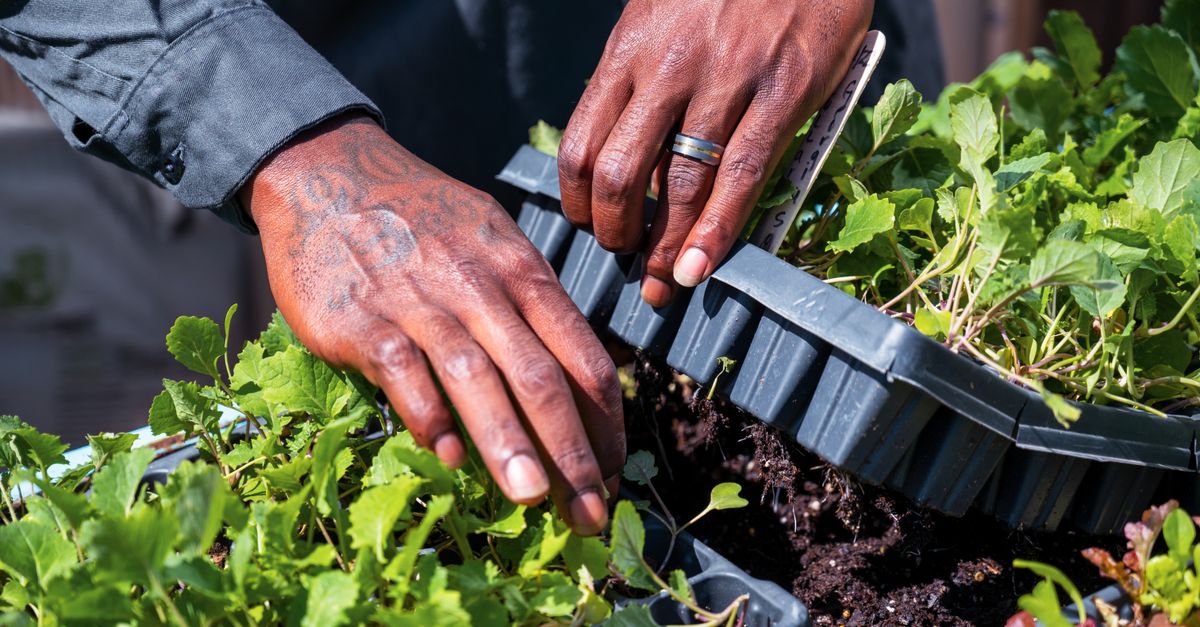
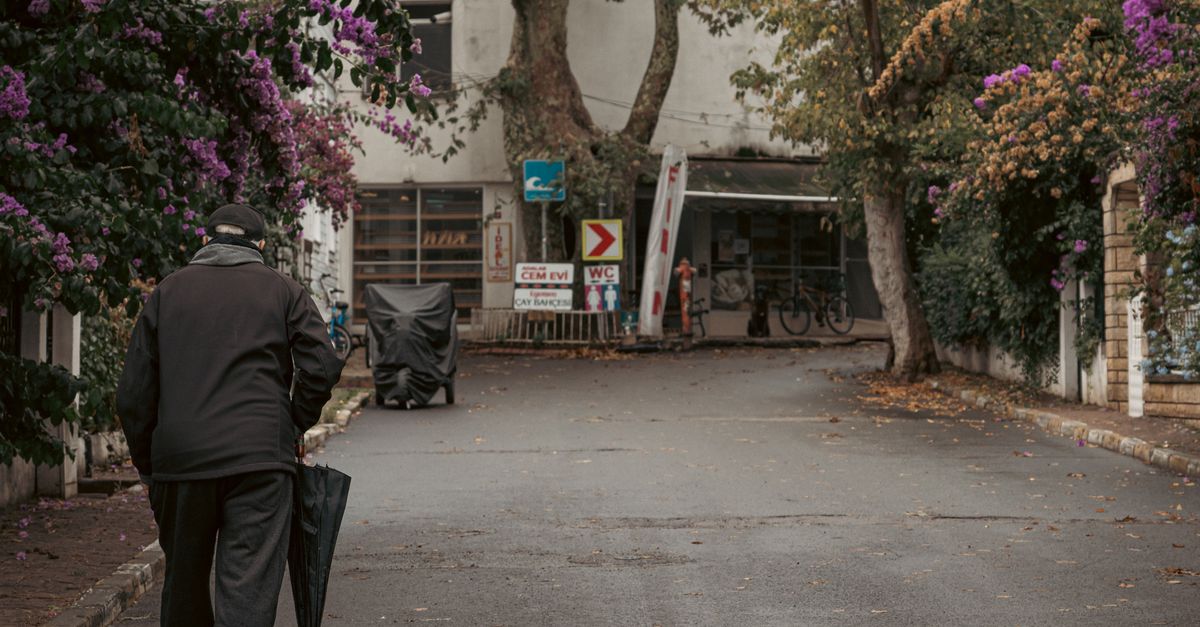


Captions here describe only what is visible. Where a photograph stands in for a wider scene, the column that follows carries the detail: names, places and dates are used only when they can be confirmed.
A short, honest note on partnerships at Cape Senior Chronicle.
We are asked from time to time whether the paper runs sponsored columns, paid placements or partner pages. The answer is simple: we do not publish partner content, and we do not list organisations as partners unless there is a confirmed, named arrangement we can point to. At present there is none to list here, so this page stays short rather than padded with invented names.
That is a deliberate choice, not an oversight. A community paper lives on the trust of its readers, and trust does not survive a page of logos that mean nothing. If a working arrangement is ever agreed with a library, a botanical garden, a walking club or a volunteer group, it will be described in plain words on this page, with the name of the organisation and what the arrangement actually involves.
No paid editorial, no sponsored columns dressed up as reporting, and no logo walls built from organisations that have never agreed to anything. Reader letters and submitted stories are never traded for placement.
If a partnership is confirmed, the entry will name the organisation, describe the shared work in one or two sentences, and state who to contact about it. Nothing more, and nothing vague.
Libraries, halls, gardens and clubs that want to work with the paper can write to the editors. We read every message and reply when there is something concrete to discuss.
Questions about this page, or about how the paper handles contributed material, can go to team@spainseniors.com or by phone on +27 60 648 3029. Post reaches us at The Firs, 32 Fricker Road, Illovo, Johannesburg, 2196, South Africa.
This site uses cookies to keep pages working properly and to understand which stories readers spend time with. We do not sell personal data, and you can change your mind at any time by clearing your browser storage. More detail is available in our privacy policy.