The Library Reading Room That Keeps a Suburb Talking
How a weekly drop-in hour turned a quiet hall into a meeting place
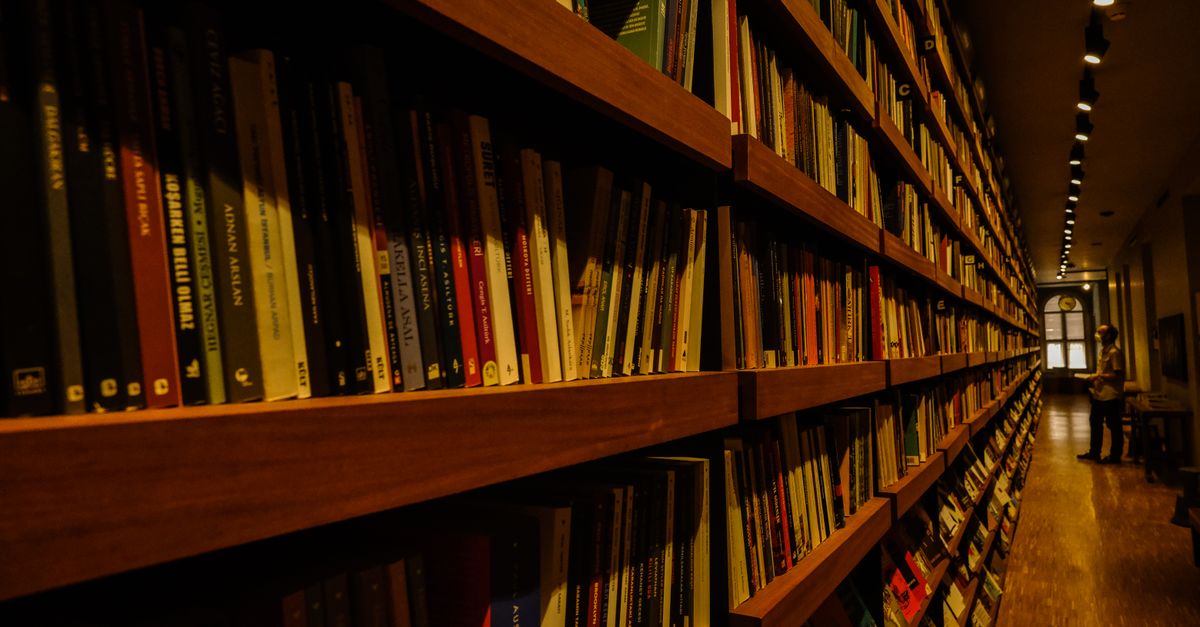
The reading room opens at nine, and by half past the tables are full. Regulars arrive with their own mugs, a folded newspaper and a list of questions for whoever is on duty. What makes the hour work is not the collection itself but the habit of showing up at the same time each week.
The logistics are modest and mostly invisible. One volunteer sets out the chairs the night before, another keeps the noticeboard current with the events diary from nearby halls and the botanical garden. The quiet corner near the window is always claimed first, and nobody has ever needed to write that rule down.
There are limits worth naming. Large-print titles run short, and winter attendance drops when the bus schedule shifts. The column follows those small frictions as closely as the rituals, because they shape who can actually make it through the door on a weekday morning.
Readers who keep a similar routine in their own suburb have written in with their own versions: a church hall in the south, a clinic waiting room repurposed on Tuesdays, a book circle that grew out of a shared table. The pattern repeats, and so does the reason. It is the showing up.